Insights & Stories from Our Team
Explore our latest articles, guides, and updates across community, productivity, and tech.
How Digital Displays Are Transforming Modern Workspaces
Mercedes Obeng
28 Nov 2025
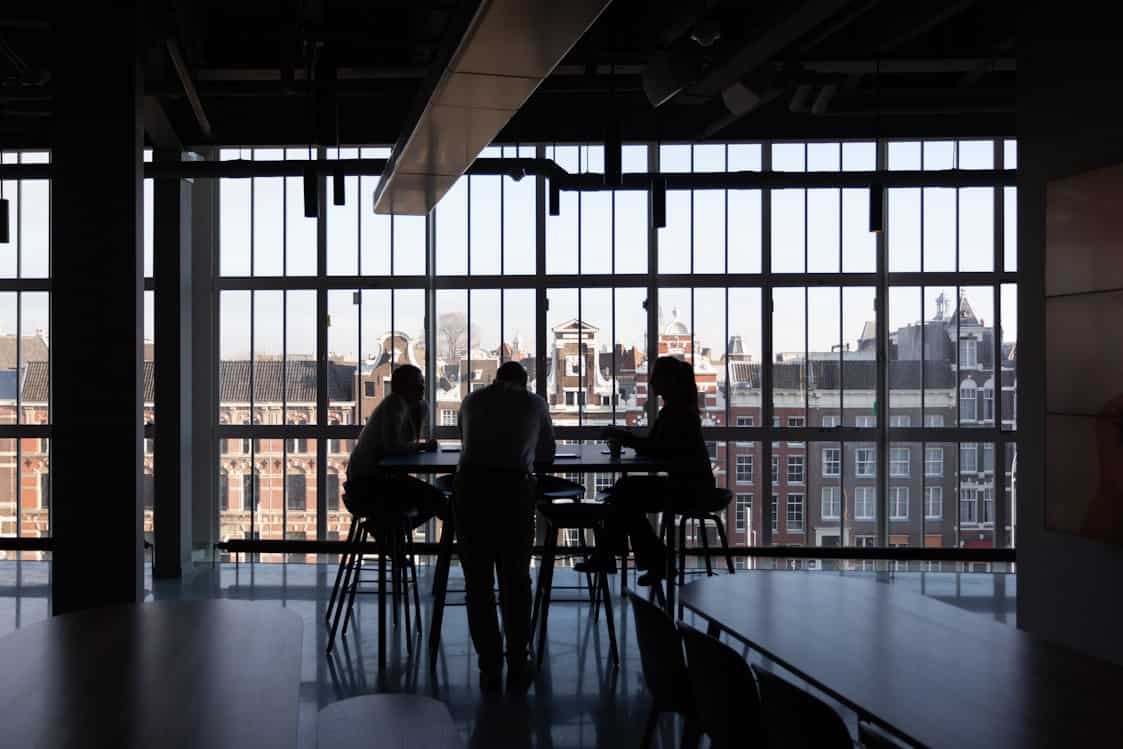
The modern workspace is undergoing a dramatic shift. As hybrid work continues to evolve, businesses are increasingly recognising the need for agile, data-driven environments that support both productivity and community engagement. Digital displays have emerged as one of the most effective tools in this evolution, enabling teams to communicate seamlessly, share updates instantly, and create a more interactive workplace experience. For coworking spaces and serviced offices, this shift isn’t just helpful — it’s becoming essential. One of the strongest advantages of digital displays is their ability to streamline daily operations. Instead of relying on static posters or manual updates, teams can automate content such as room availability, upcoming events, building notices, or visitor information. This removes the recurring burden on staff and ensures that information across the workspace remains accurate, timely, and visually consistent. When paired with booking tools and live data feeds, digital displays become a central hub for activity and coordination. Another major benefit is improved member experience. For coworking communities, first impressions matter, and visitors often engage with the space before ever meeting a member of staff. Bright, clear digital signage can welcome guests, guide them to meeting rooms, and showcase what’s happening in the hub that day. This reduces friction and makes the environment more user-friendly, especially during peak times when reception teams are busy. Digital displays also offer powerful opportunities for brand storytelling. From promoting new services to highlighting community spotlights, spaces can use visual content to build identity and deepen engagement among members. Unlike printed materials, digital screens can be updated instantly, allowing managers to test new messaging or adjust content throughout the day based on needs or occupancy. Ultimately, the use of digital displays represents a step toward smarter environments. When combined with tools like SpaceSync’s booking system, member directory, and enquiry capture displays, workplaces can reduce administrative overhead while giving members the modern experience they now expect. In a world where flexibility and clarity matter more than ever, digital displays are helping spaces operate smoothly and look great doing it.
Connecting Communities Through Digital Member Directories
Mercedes Obeng
28 Nov 2025
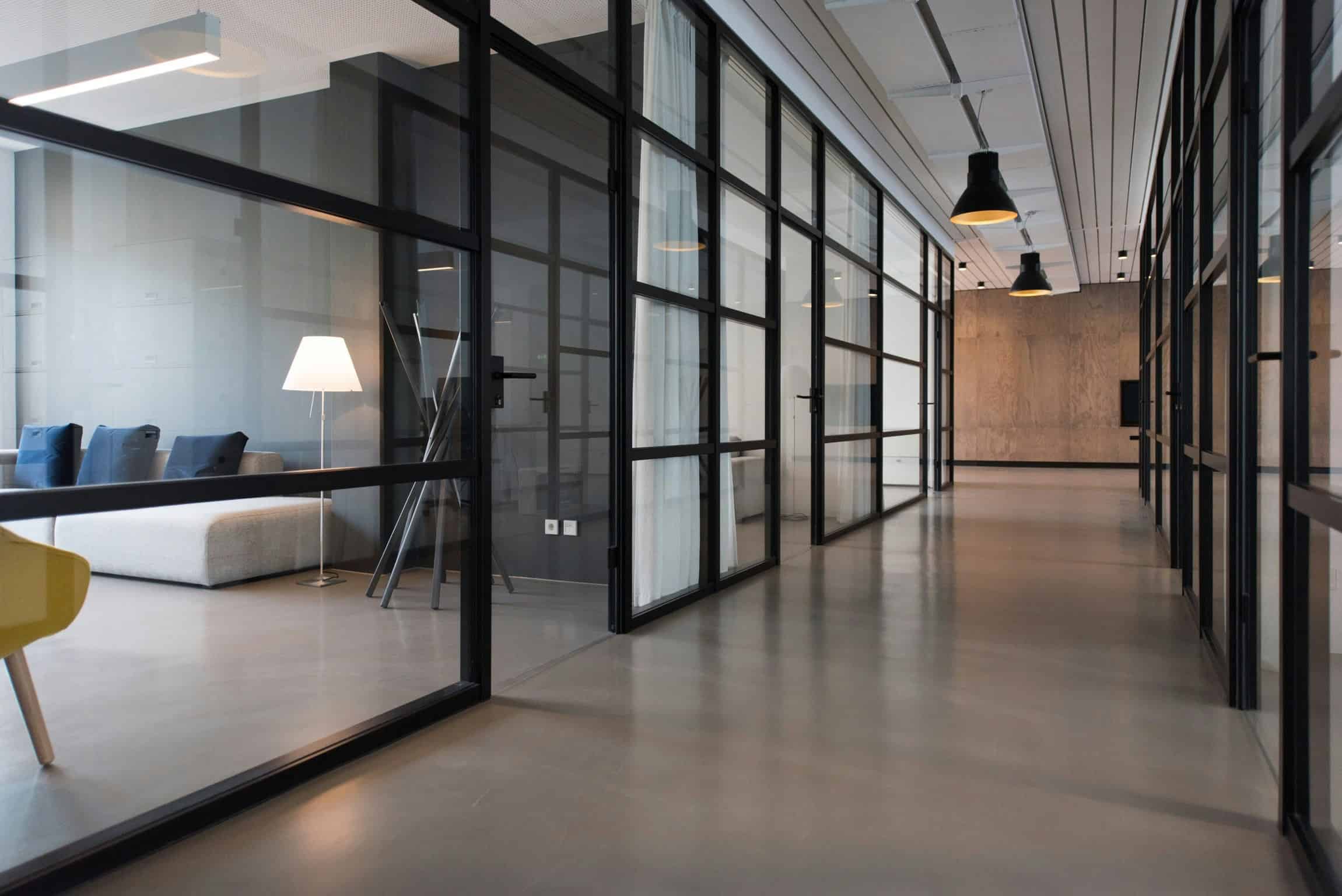
Coworking spaces thrive on community — but maintaining a sense of connection becomes increasingly difficult as membership grows. While people may work in the same building every day, many never get the chance to learn about each other’s skills, interests, or projects. This is where digital member directories offer a transformative solution, bridging the gap between individuals and making collaboration more accessible. A digital directory allows members to showcase who they are, what they do, and how they can contribute to the wider community. Instead of relying on chance introductions, users can browse profiles, discover fellow professionals, and connect with potential partners or clients. For freelancers and small businesses, this visibility is invaluable and can directly impact networking opportunities. Displaying the directory on interactive screens or kiosks makes it even more powerful. New visitors can explore the space’s community at a glance, while existing members can stay updated on newly joined teams. A directory becomes a living representation of the hub — reflecting the culture, talent, and diversity within the workspace. This level of transparency also strengthens community engagement. When people see themselves recognised within the space, they feel more connected and valued. It encourages participation in events, workshops, collaborations, and shared experiences that enrich the everyday environment. The social fabric of the workspace becomes more intentional, not accidental. For workspace managers, a digital directory reduces administrative workloads by centralising member information. Instead of juggling spreadsheets or manual data, the system keeps profiles consistent and up-to-date. Combined with SpaceSync’s suite of digital tools, the directory helps create a cohesive ecosystem where information flows smoothly and members feel part of something bigger.
Why Efficient Meeting Room Management Matters More Than Ever
Mercedes Obeng
28 Nov 2025
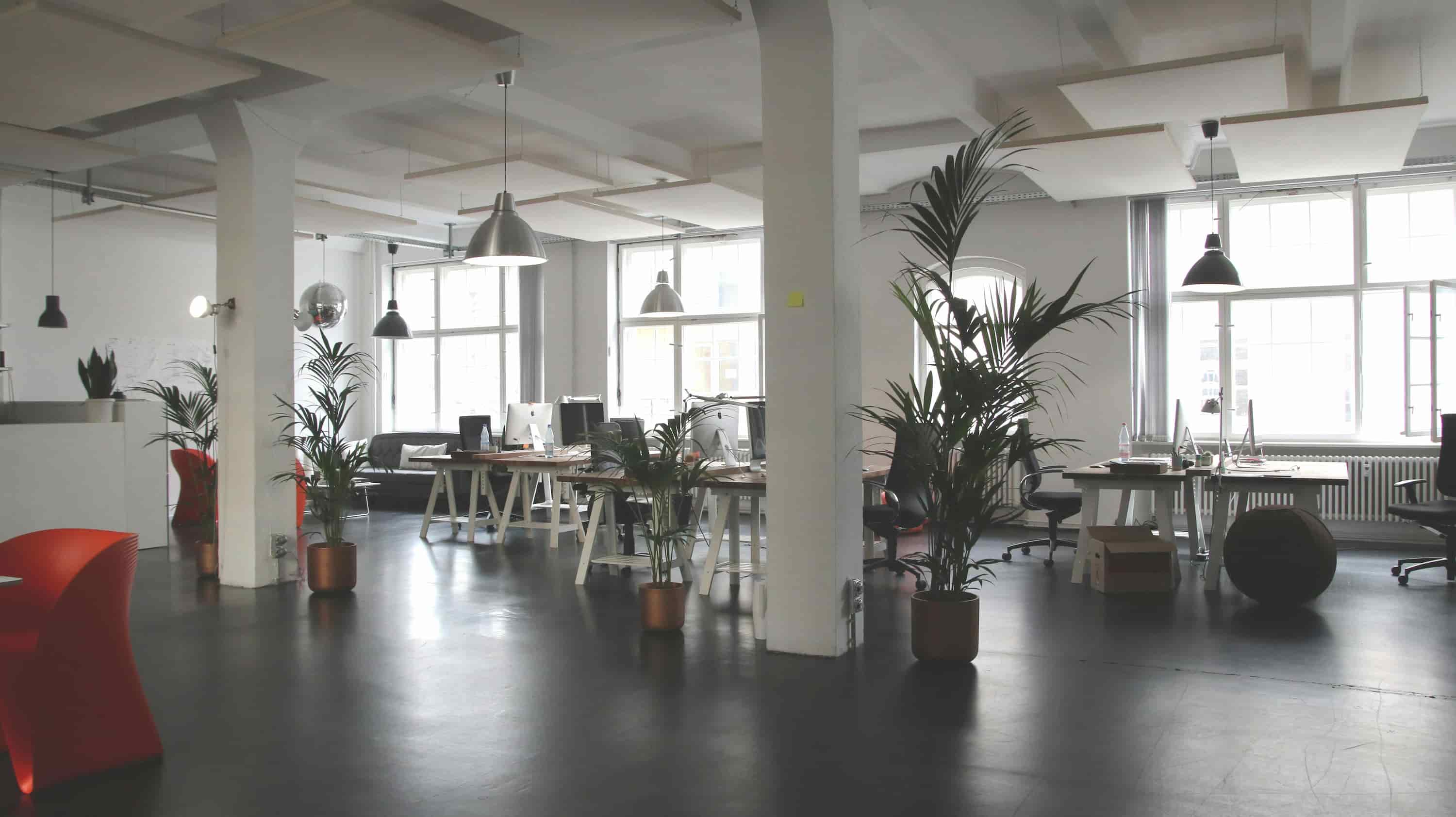
Meeting rooms remain one of the most in-demand resources in any workplace — yet they are also among the most mismanaged. Double bookings, no-shows, and unused rooms are common issues that can frustrate staff and reduce overall productivity. As hybrid work continues to reshape office routines, efficient meeting room management has become a critical component of creating a professional and stress-free environment. One of the biggest challenges is visibility. Teams often rely on outdated calendars or manual processes that do not reflect real-time availability. This creates confusion, forces employees to waste time searching for open spaces, and results in meetings starting late. Tools like SpaceSync’s Meeting Room Booking system provide immediate clarity, enabling staff to see what’s available at a glance and reserve rooms in seconds. Another major issue is no-shows — which can quietly drain a workspace’s efficiency. Without an automated check-in process, rooms may appear occupied even when they aren’t being used. Smart booking systems help solve this by releasing unclaimed rooms back into the pool, ensuring that spaces do not sit empty while people are waiting for a meeting area to open up. Meeting room management also plays a large role in staff satisfaction. Having to fight for space or deal with broken processes can create unnecessary frustration and impact team morale. A smooth booking experience signals professionalism and helps employees feel supported in their daily workflows. When the tools work well, so do the teams. Finally, strong data insights can help operators better understand how their spaces are used. Peak times, underutilised rooms, and recurring booking patterns can all reveal where improvements are needed. With accurate data, workspace managers can make smarter decisions about layout, new rooms, or technology upgrades — creating environments that truly match how people work today.